Investors & landlords
From a first rental through to a portfolio held across several LLCs. Passive activity limits, basis tracking and grouping elections.
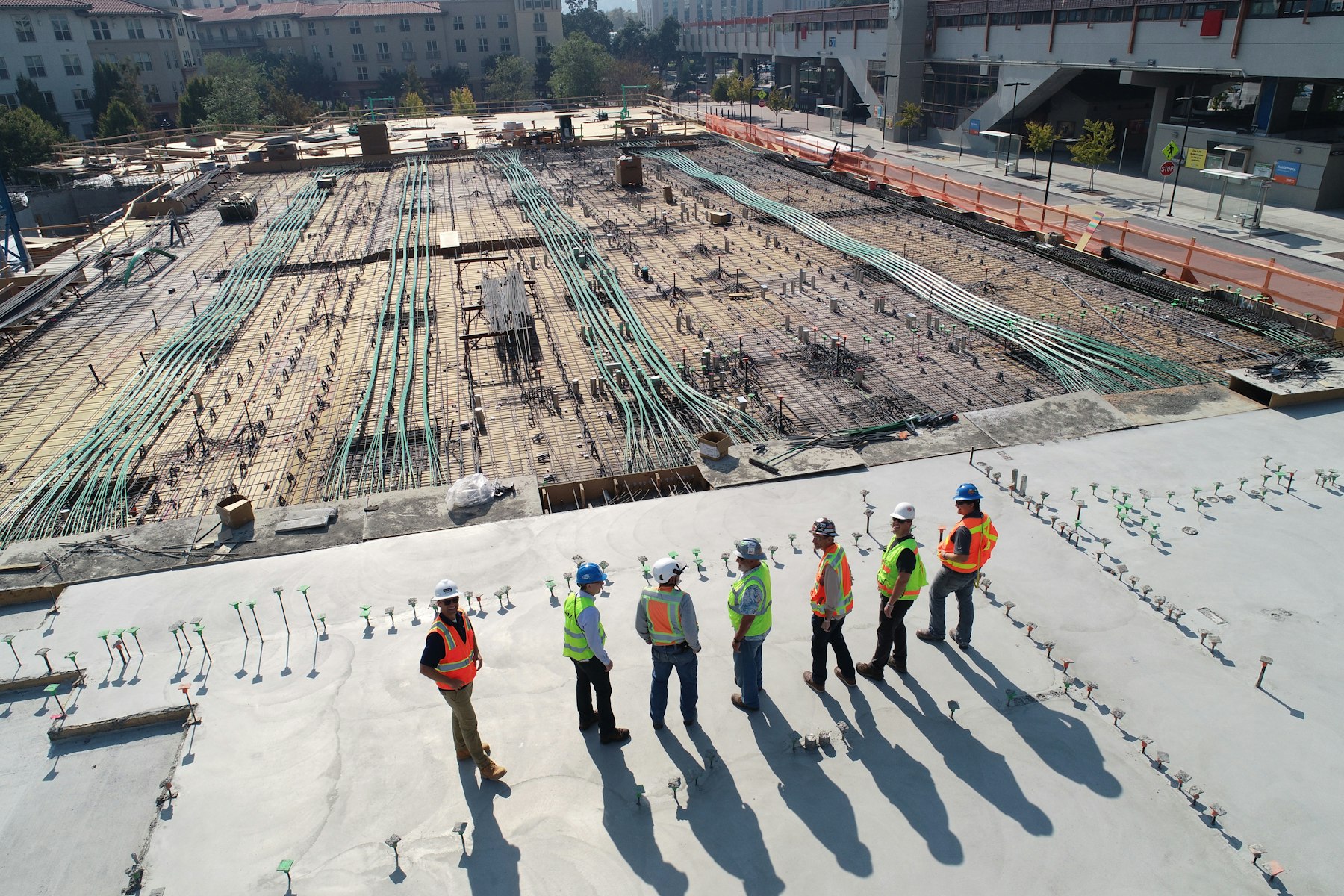
Industry
Depreciation timing, exchanges, contract accounting and passive activity rules make property one of the most planning-sensitive sectors in the tax code, and Tampa is one of the busiest markets in the country for it.
Why Florida is different
Property owners moving to Florida often assume the planning work is done once they arrive. In practice the federal levers are where nearly all of the value sits, and Florida has its own set of obligations that catch newcomers out.

Who we work with
The tax questions differ sharply between an investor holding two rentals and a general contractor running crews in three states. We work across the sector.
From a first rental through to a portfolio held across several LLCs. Passive activity limits, basis tracking and grouping elections.
Partnership allocations, capital accounts, preferred returns, and the timing differences between book and tax income.
Long-term contract accounting, look-back interest, retainage, and the small-contractor exceptions that change the method available to you.
Equipment depreciation, multi-state crews, worker classification, and sales and use tax on materials versus installation.
Trust accounting, 1099 reporting for owners and vendors, and the sales tax treatment of Florida commercial rent.
The material participation tests that decide whether losses are active, plus Florida transient rental and county tourist development taxes.

Contract accounting, equipment depreciation and crews that cross state lines.

Depreciation timing, exchanges, basis tracking and passive activity limits.
The levers
Eight strategies that account for most of the value we find in this sector. Which apply depends on the asset, the holding period and how the ownership is structured.

Contractors specifically
For a construction business, the method you use to recognize revenue on long-term contracts has a larger effect on taxable income than almost any deduction you will find.
We test the small-contractor exception against your rolling average gross receipts each year, model completed-contract against percentage-of-completion where a choice exists, and calculate look-back interest where it applies. Alongside that we handle the practical questions that follow crews across state lines: registration, withholding, and whether materials purchased in one state and installed in another attract use tax.
Questions
It depends on the building's cost basis, how long you expect to hold it, and your ability to use the deduction. As a general guide, studies tend to become worthwhile above roughly $500,000 of depreciable basis, and the benefit is largest for properties with significant land improvements, specialized electrical or plumbing, or extensive finishes. It is worth remembering that this is deferral rather than permanent saving: depreciation recapture applies on sale, so a short expected hold weakens the case considerably. We model both sides before recommending a study.
Possibly, but the analysis is genuinely fact-specific. Section 1031 requires that both properties be held for productive use in a trade or business or for investment. Heavy personal use undermines that, and a property that functions more like a hotel, short stays with substantial services provided, may be treated as inventory rather than investment property. The safe harbor in Revenue Procedure 2008-16 sets out rental and personal-use tests worth reviewing well before you list the property.
It is a Section 469 test that, if met, allows rental losses to offset ordinary income instead of being suspended as passive. You must spend more than half of your personal service time in real property trades or businesses, and more than 750 hours in them during the year and, separately, materially participate in the rental activity itself, which is where a grouping election often matters. Someone with a demanding full-time job outside real estate essentially cannot qualify. Courts have repeatedly rejected time logs reconstructed after the fact, so contemporaneous records are the whole ballgame.
Contractors with average annual gross receipts under the inflation-adjusted small-contractor threshold, on contracts expected to complete within two years, may use the completed-contract method, which generally defers income. Above that threshold, percentage-of-completion is required for long-term contracts, and completed contracts may generate look-back interest. Home construction contracts have their own exception. The threshold is indexed annually, so this is worth re-testing each year rather than assuming last year's answer still holds.
Three things. Income tax nexus in every state where crews perform work, which is usually created immediately by physical presence. Payroll withholding and unemployment registration in those states for the employees who work there. And sales and use tax on materials, which frequently follows different sourcing rules from the income tax. Contractors are among the most commonly audited industries for state tax precisely because the footprint moves.
Related
Multi-year projections that lower the bill before year-end.
Learn moreS-corp, LLC or C-corp: modeled on your actual numbers.
Learn moreForms 1120, 1120-S and 1065 filed accurately and on time.
Learn moreProperty tax planning has hard deadlines: 45 days to identify an exchange target, one year-end to place an asset in service. The earlier we look, the more is still available.